




CNC Machining in Industry: Critical Applications Across Sectors
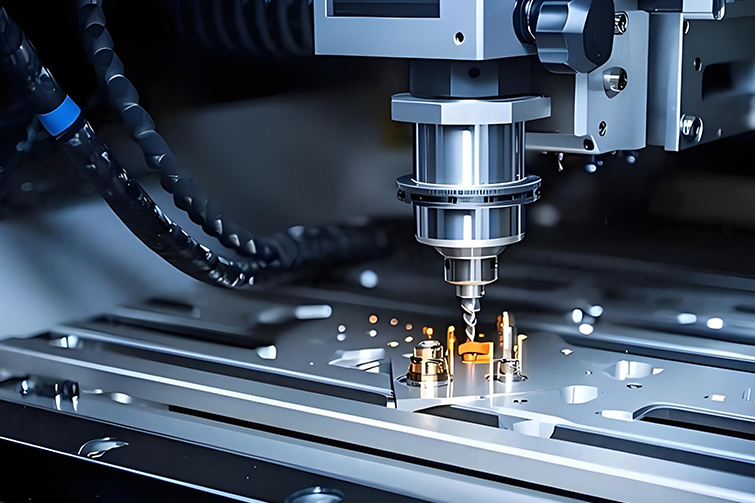
CNC machining has revolutionized manufacturing across virtually every industrial sector by providing unparalleled precision, efficiency, and versatility. This technology utilizes computer-controlled machines to create complex parts and components from various materials, making it a critical component in numerous industries. From aerospace components that must withstand extreme conditions to medical implants that interact with the human body, CNC machining enables the production of parts that define modern life.
Aerospace Industry: Where Precision Meets Performance
The aerospace industry represents one of the most demanding applications of CNC machining technology. Aircraft and spacecraft components must meet extraordinary requirements: they must be lightweight to minimize fuel consumption, strong enough to withstand extreme stresses, and reliable enough to protect human lives . Even microscopic deviations from specifications can have catastrophic consequences, making the precision of CNC machining not just advantageous but essential .
Critical Aerospace Components
CNC machining produces a vast array of aerospace components. Engine components including turbine blades, compressor disks, and casings operate at extreme temperatures and rotational speeds, requiring materials like titanium and Inconel that maintain strength under these conditions . Structural elements such as wing ribs, bulkheads, and fuselage frames must be precisely machined from aluminum or composite materials to achieve the strength-to-weight ratios essential for flight performance . Landing gear components face immense stresses during takeoff and landing, requiring machining from high-strength steel or titanium alloys with meticulous attention to detail . Hydraulic system components including manifolds, valve bodies, and actuators must maintain leak-free operation under extreme pressure variations .
Specialized Machining Requirements
Aerospace machining demands specialized capabilities that exceed standard manufacturing practice. Five-axis machining has achieved over 70% adoption in aerospace applications, enabling the creation of complex aerodynamic surfaces and lightweight structural geometries in single setups . Thin-wall machining techniques allow material removal to the minimum thickness required for strength, reducing weight while maintaining structural integrity . Surface integrity requirements demand machining parameters that avoid introducing microcracks or residual stresses that could initiate fatigue failure . Complete traceability from raw material to finished part requires documentation of every manufacturing step for regulatory compliance .
Industry Standards and Certifications
Aerospace machining operates under stringent quality systems. AS9100 certification extends ISO 9001 requirements with aerospace-specific provisions for safety, traceability, and risk management . Nadcap accreditation demonstrates specialized competency in processes like heat treatment, surface finishing, and non-destructive testing . Customer-specific requirements from Boeing, Airbus, and other primes add additional layers of quality control .
Medical Industry: Precision for Patient Safety
The medical industry has experienced transformative advancements through CNC machining, where precision and reliability directly impact patient outcomes. Medical devices and implants must function flawlessly inside the human body, where failures can have life-threatening consequences . The ability to manufacture complex and customized components is particularly important in healthcare, where patient-specific solutions are increasingly demanded .
Medical Device Applications
CNC machining produces an extraordinary range of medical components. Surgical instruments including forceps, retractors, and scissors require sharp edges and precise geometry to function reliably during procedures . Orthopedic implants such as hip and knee replacements must precisely match patient anatomy while integrating with surrounding bone . Dental implants and prosthetics require micron-level accuracy to ensure proper fit and function in the oral environment . Spinal components including pedicle screws and interbody cages must precisely interface with complex vertebral anatomy . Instrumentation for robotic surgery demands exceptional precision to enable minimally invasive procedures .
Material Requirements
Medical machining requires biocompatible materials that safely interact with human tissue. Titanium alloys offer excellent biocompatibility, corrosion resistance, and osseointegration for permanent implants . Cobalt-chrome alloys provide wear resistance for articulating surfaces like hip replacements . Stainless steels offer cost-effective solutions for surgical instruments that are sterilized between uses . PEEK (polyetheretherketone) provides radiolucent properties beneficial for spinal implants where post-operative imaging is required . Each material presents unique machining challenges while maintaining the surface finish and cleanliness essential for medical applications .
Regulatory Compliance
Medical machining operates under strict regulatory oversight. ISO 13485 certification demonstrates a quality management system specific to medical devices . FDA regulations in the United States and MDR requirements in Europe mandate extensive documentation and validation . Process validation ensures that machining operations consistently produce parts meeting specifications . Clean room manufacturing may be required for implantable devices to prevent contamination .
Automotive Industry: Efficiency at Scale
The automotive industry relies heavily on CNC machining for manufacturing everything from engine components to custom accessories. The sector demands high-quality components produced efficiently at scale, making CNC machining an essential part of modern vehicle production . Automation and precision directly impact vehicle safety, performance, and reliability .
Production Components
CNC machining produces critical automotive components across the vehicle. Engine components including blocks, heads, crankshafts, and connecting rods require precision fits and surface finishes to maintain compression and reduce friction . Transmission components such as housings, gears, and valve bodies must function reliably through millions of shift cycles . Driveline components including differential cases and axle shafts transmit power while withstanding shock loads . Braking system components demand reliability and precise fit for consistent performance . Suspension components affect vehicle handling and ride quality through precisely machined mounting points .
Performance and Custom Applications
Beyond production components, CNC machining enables performance and custom applications. Intake manifolds and cylinder heads can be modified or custom-manufactured for increased airflow . Turbocharger housings and compressor wheels require precise geometry for efficient boost generation . Custom wheels and suspension components enable vehicle personalization while maintaining safety . Prototype parts for new vehicle development accelerate innovation cycles .
Volume Considerations
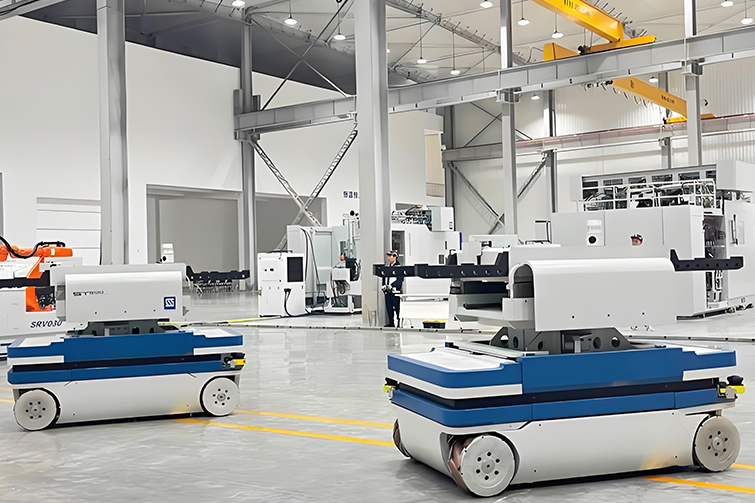
Automotive machining balances precision with production efficiency. High-volume production may utilize dedicated transfer lines with minimal flexibility . Flexible manufacturing systems enable economical production of multiple variants . Just-in-time delivery requirements demand reliable machining processes with minimal downtime . Lean manufacturing principles eliminate waste while maintaining quality .
Electronics Industry: Enabling Miniaturization
The electronics industry demands ever-smaller components with increasingly precise features. CNC machining enables production of housings, heat sinks, and connectors that protect and interconnect electronic devices . Manufacturing automation increases productivity while eliminating errors that could render devices non-functional .
Electronics Applications
CNC machining produces critical electronic components. Device housings for smartphones, tablets, and laptops require precise machining from aluminum or other materials to achieve the thin profiles consumers demand . Heat sinks must maximize surface area for thermal management while fitting within tight device constraints . Connectors require precise pin locations and surface finishes for reliable electrical contact . Enclosures for sensitive equipment must provide electromagnetic shielding while maintaining structural integrity . Test fixtures for circuit board testing require precise alignment features .
Precision Requirements
Electronics machining demands exceptional precision. Feature sizes continue decreasing as devices shrink, requiring machining capabilities that push technology limits . Surface finishes affect both appearance and function, with some applications requiring mirror-like finishes . Dimensional stability must be maintained through temperature changes during device operation . Material selection affects thermal management, electrical performance, and manufacturability .
Energy Sector: Powering Sustainable Development
The energy sector increasingly relies on CNC machining for components in both conventional and renewable energy systems. The need for precision and durability in energy applications makes CNC machining essential for reliable power generation .
Energy Applications
CNC machining produces components across the energy landscape. Wind turbine components including gearbox housings, shafts, and pitch control mechanisms must withstand decades of operation in remote locations . Solar energy systems utilize machined frames, tracking mechanisms, and junction boxes . Oil and gas equipment including valves, fittings, and downhole tools must function reliably under extreme pressures and temperatures . Nuclear power components demand exceptional quality assurance and material traceability . Hydrogen systems require leak-free components for safe operation .
Material Challenges
Energy applications often involve challenging materials. Corrosion-resistant alloys withstand harsh environments in offshore and chemical applications . High-temperature materials maintain strength in gas turbine and geothermal applications . Wear-resistant materials extend component life in abrasive applications . Each material presents unique machining challenges that must be addressed through appropriate tooling and parameters .
Defense Industry: Critical Capability Manufacturing
The defense industry relies on CNC machining for producing components that protect national security and military personnel. The need for precision and reliability in defense equipment makes CNC machining essential for mission-critical applications .
Defense Applications
CNC machining produces diverse defense components. Weapon systems including firearms, artillery, and missile components require precision for reliable function . Vehicle components for military ground vehicles must withstand extreme conditions while maintaining mobility . Avionics housings protect sensitive electronics in harsh operational environments . Communication equipment requires precise enclosures and connectors for reliable operation . Soldier systems including night vision and targeting equipment demand exceptional precision .
Security Requirements
Defense machining operates under unique constraints. ITAR compliance in the United States restricts access to controlled technologies . Supply chain security ensures components are produced without compromise . Counterfeit prevention requires rigorous material and component verification . Long-term support demands that production capability be maintained for decades after initial fielding .
Conclusion
CNC machining has become indispensable across industries, providing the precision, efficiency, and versatility that modern products demand. From aerospace to healthcare, the benefits of CNC machining are evident in the quality and reliability of components produced. As technology continues advancing, CNC machining's importance across industries will only grow, enabling new possibilities in product design, performance, and customization.